

MVP Development
Launch your product’s first version with essential features to validate quickly and build confidently.
Trusted by 105+ SaaS Founders and Product Teams




















 Why Full-Stack Development?
Modern products rely on the front end and back end working together. When both are handled by one team, builds move faster, decisions stay aligned, and products are easier to launch, improve, and scale.

 Full Stack Development Services
Using no-code tools, we build complete applications by connecting the front end and back end from day one. That means you get applications easier to launch, manage and scale without the usual delays.
Launch your product’s first version with essential features to validate quickly and build confidently.
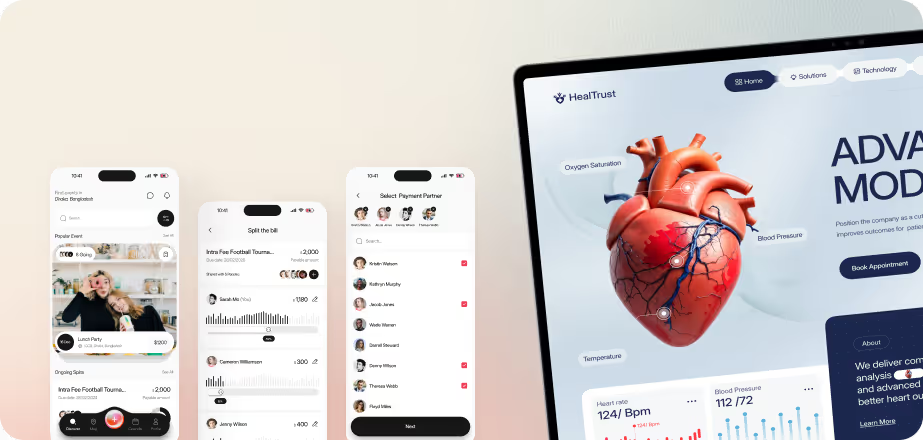
Develop integrated SaaS and web apps with unified interfaces, backend logic, and workflows for growth.
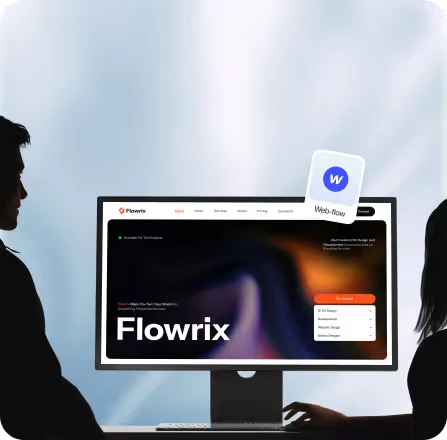
Build responsive front-end interfaces with React, optimized for desktop, tablet, and mobile use.
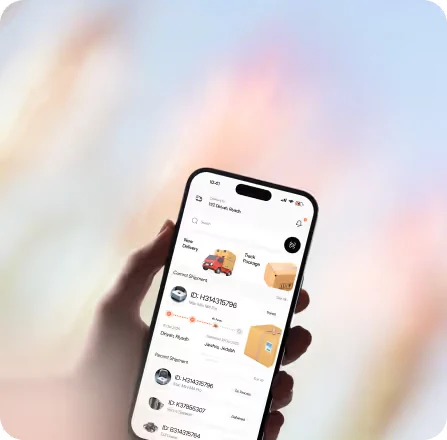
Develop stable backend infrastructures with Node.js, Supabase, and PostgreSQL for secure and scalable data handling.
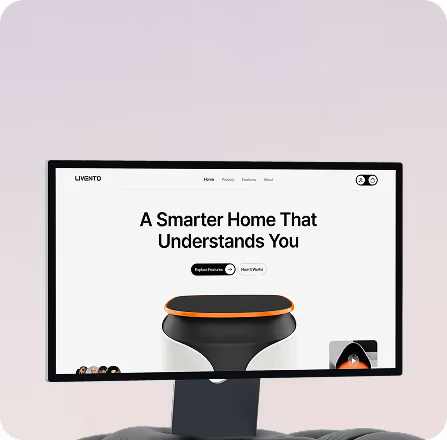
Integrate essential tools like payments, CRMs, and email platforms to enhance functionality.
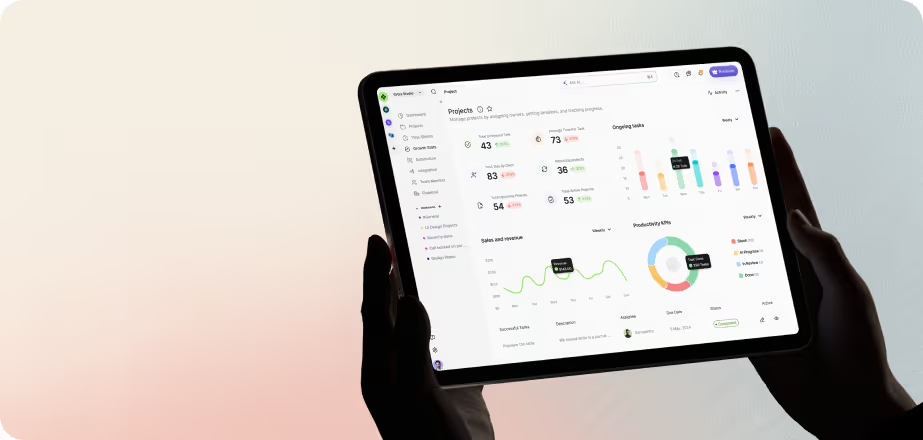
Deploy confidently with fast, reliable hosting on platforms like Vercel and AWS.
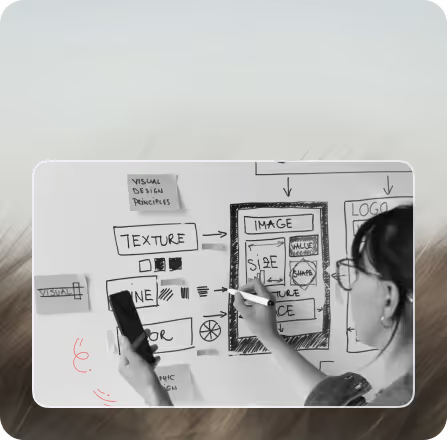
After launch, prioritize performance improvements, feature additions, and system enhancements.
We bring design, logic, and system thinking into one development process built for launch and scale.
Our Difference
We build the full product as one system, so design, logic, and data stay aligned from day one.

From permissions and dashboards to workflows and integrations, we handle the layers B2B and AI products depend on.

A more connected process means fewer blockers, quicker iteration, and a shorter path from idea to working product.

We build with scale in mind so your product is easier to improve, expand, and support as the business grows.
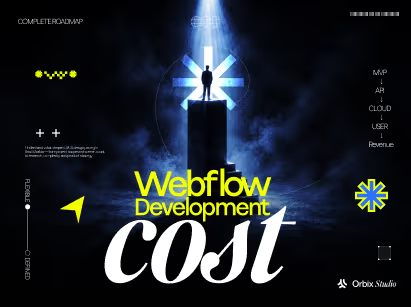
A look at what genuinely moves Webflow build costs, how studios price the work, and how to set a budget you can defend internally.
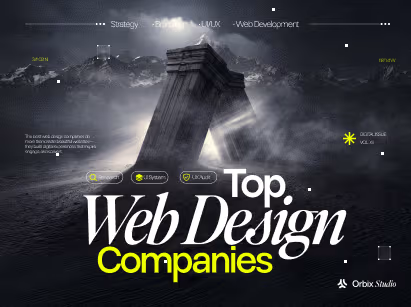
A practical way to compare studios on industry, platform and depth of craft, so the shortlist you take to your team actually holds up.
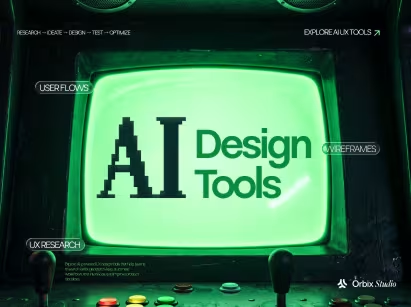
We tried the current crop of AI design tools on live client work. These are the ones that saved real hours rather than just looking clever.
If you're unsure where to start or want to see how we can help, reach out, and we'll walk you through it.

Let's talk through your goals, your timeline, and how Diverse Studio can support your team.
Yes. That is often the smartest way to build a new product. Instead of trying to launch every feature at once, we help you build the smallest version that solves the main user problem. This lets you launch sooner, learn from real users, and spend more carefully.
The first version may include the core user flow, login, payments, dashboard, admin tools, or one key feature - whatever is needed to prove the idea works. Features that are useful but not essential can be planned for later.
We build the MVP with future growth in mind. That means using a clear structure, reusable components, and technology that can support new users, features, and integrations later.
After launch, you can use feedback and real product data to decide what to build next. This is much safer than guessing everything before people have used the product. You get a working first product now and a clear path for growing it later.
Yes. We can build both sides of your product. The frontend is what users see and use: the website, app screens, buttons, dashboards, forms, and user flows.
The backend is the part working behind the scenes: databases, user accounts, payments, permissions, APIs, admin tools, and business logic.
Having one team handle both helps keep the product connected. The design, user experience, and technology decisions can be made together instead of being passed between separate teams.
For example, if a user needs to create an account, upload a file, make a payment, or see live data, we design and build the full journey—not just the screen.
We can create web apps, SaaS platforms, internal tools, customer portals, marketplaces, and other digital products. If you only need help with one side of the product, that works too.
The scope is shaped around what your users need first and what your team needs to manage later.
We choose technology based on what your product needs to do, not because one tool is popular. For frontend work, we commonly use React, Next.js, TypeScript, and Tailwind. For marketing websites, Webflow and Framer can be good options when speed and easy content editing matter most.
For backend development, we often work with Node.js, PostgreSQL, Supabase, Prisma, and Python when it fits the project. We can use services such as Vercel, AWS, and Cloudflare for hosting and infrastructure.
For AI products, we can work with tools such as OpenAI, Anthropic, LangChain, and custom model setups where needed.
If your team already has a preferred stack, we can work with it. If you are starting fresh, we will recommend a practical setup that is easy to build, secure, and maintain.
You do not need to understand the technical details before speaking with us. We explain the options in plain language and help you make the right choice.
Yes. We build AI-powered applications when AI can solve a real user problem. This can include AI assistants, document tools, search experiences, content generation, smart recommendations, workflow automation, data analysis, and other features that help users complete work faster.
The important part is not adding AI because it sounds exciting. It is deciding where AI will actually make the product more useful. We help define that before building.
A good AI feature also needs a clear user experience. People need to know what the tool can do, what information it uses, how long it may take, and what to do if the result is not right. We design those details into the product.
We can connect your application to existing AI models or help plan a more custom solution. The first version can stay focused on one valuable use case, then grow based on how people actually use it. The result should feel helpful and reliable - not confusing or overcomplicated.
Yes. We can work alongside your internal developers, technical lead, or outside development team.
Some companies ask us to handle the whole build. Others need help with a specific part, such as the frontend, product design, backend, design system, or a new feature. We can fit into either setup.
Before we begin, we learn how your team works, what technology you use, what has already been built, and where support is needed. This helps us avoid duplicating work or creating problems for your existing team.
We can join your tools and communication flow, share updates, work from your backlog, and provide clear handoff notes. If your developers are building the backend, we can focus on the frontend and product experience. If they need extra capacity, we can extend the team.
The goal is to make development smoother, not make your team manage another complicated process.
We test the product throughout the build, not only at the end. As features are completed, we check that the main user flows work as planned. This includes things like signing up, logging in, making payments, filling out forms, using dashboards, receiving emails, and handling errors.
We also test how the product looks and behaves across different screen sizes, browsers, and devices. A page may work well on one laptop but break on a smaller phone, so those checks matter.
Quality assurance also means looking for the small things that frustrate users: unclear messages, broken buttons, slow loading, missing states, confusing forms, or actions that do not give feedback.
Before launch, we review the most important paths again and prepare a list of anything that needs fixing. If your team has its own QA process, we can work with it.
The goal is not to promise that software will never need updates. It is to catch the important problems before users do.
Yes. We can stay involved after the product goes live. Launch is often when the most useful learning begins. Real users may show you where the product is confusing, which features they use most, or what needs to improve next. We can help turn that feedback into practical updates.
Post-launch support can include fixing issues, improving the user experience, building new features, adding integrations, updating the design system, improving speed, and preparing the next release. We can also help as your product grows from an MVP into a larger platform.
Some teams need regular support every month. Others come back when they have a new feature, product milestone, or technical challenge. We can work in both ways.
The product files and code remain yours, so you are never forced into ongoing support. But if you want a team that already understands the product, we can continue helping it grow.
Yes. You own the source code, design files, and final product assets created for your project. We set up the code in your own GitHub or GitLab organisation where possible.
Your design files are shared in your Figma workspace or another agreed location. This means your company keeps control of the work from the beginning.
You can continue the product with your internal team, another development partner, or us. We do not keep the code locked away or make you depend on our accounts to access your own product.
We also make sure the handoff is clear. Your team receives the codebase, design files, key documentation, and access to the services used for the product.
Some products rely on outside tools, paid APIs, hosting, or software licences. We explain those clearly during planning, including what your company needs to own or pay for separately. The simple rule is this: the product belongs to you.
The timeline depends on the size of the product. A marketing website can often be completed in around two weeks. A focused web app MVP usually takes four to six weeks.
A larger product with user accounts, payments, dashboards, admin tools, and several workflows can take eight to twelve weeks or more.
The time changes based on the number of features, integrations, design work, data needs, user roles, and testing required. An AI feature, a live chat system, or a complex payment setup may add more time.
We create a clear plan before work begins. It shows what will be designed, built, tested, and reviewed at each stage. You will see working progress during the project, not just a final delivery at the end.
If you have a launch date, we can help reduce the first version to the most important features. A smaller, focused product is usually the fastest path to a real launch.
Full-stack development support starts at $2,999 per month for 100 hours of work. For larger teams that need more capacity and several active projects, support starts at $5,499 per month for 200 hours.
The total cost depends on what you need to build. A simple web app MVP costs much less than a full SaaS platform with custom backend work, payments, dashboards, AI features, integrations, and several user roles.
For a fixed-scope project, we first define the product requirements, timeline, and technical needs. Then we provide a clear proposal with the total cost before development begins.
If your budget is limited, we can help you decide what belongs in the first version and what can wait. This keeps the product focused and prevents money being spent on features that have not yet been proven useful. You will know the scope, timeline, and cost before work starts.
 10+ Projects Live
 5+ Projects Live
 Top Worldwide
 50+ Badges
 450+ Reviews
 47+ Reviews
 52+ Reviews
 5+ Projects Live